
We Can Do Better
Collected Writings on Land, Conservation, and Public Policy

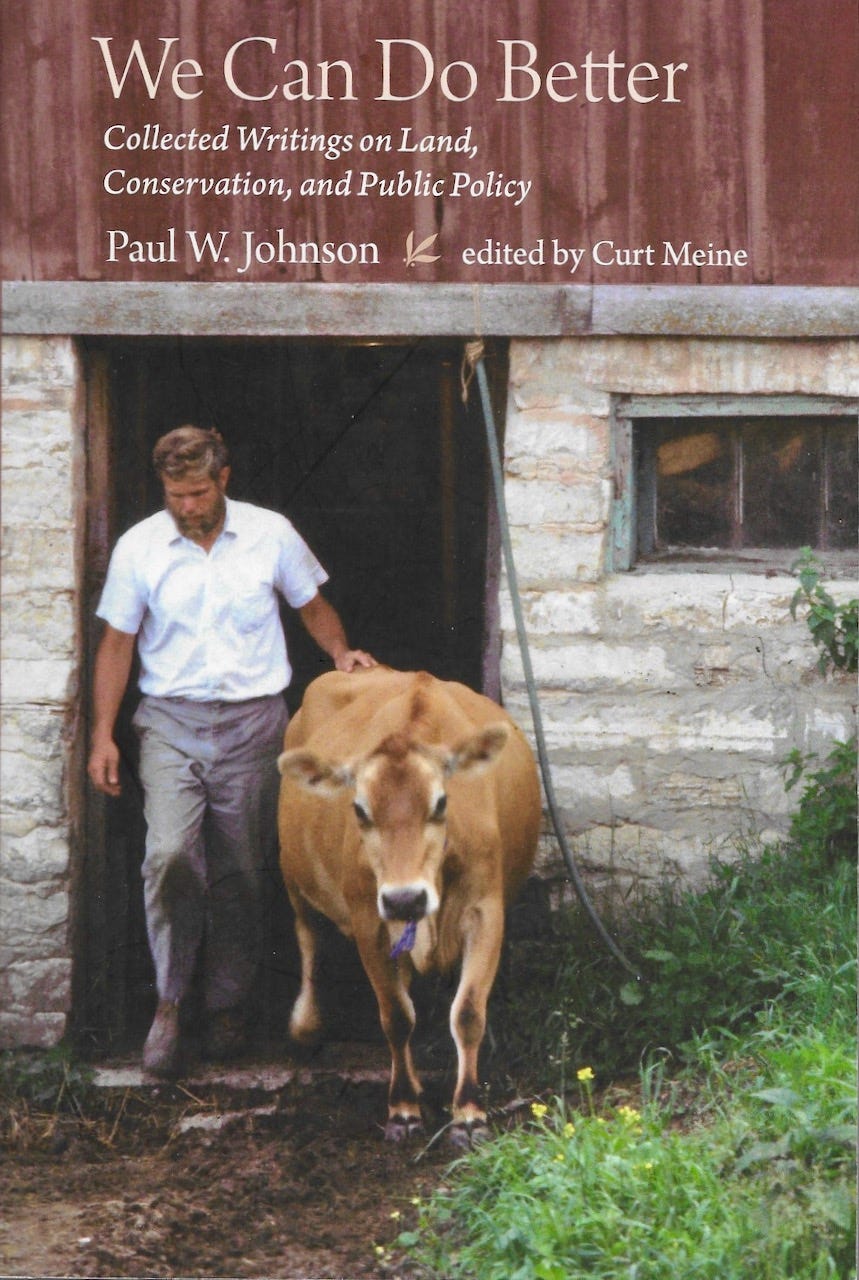
“We can do better.”
Paul Johnson lived by that credo, which is the fitting title of a new collection of his writings. More than 60 passages trace Paul’s influence on conservation as a farmer, politician, and public official.
From soil, water, wildlife, and woodland conservation on his own farm along the Upper Iowa River, to work as an Iowa Legislator to craft better environmental laws, to prodding government agencies to focus on the ethics of sustainable land management, the status quo wasn’t “good enough” for Paul.
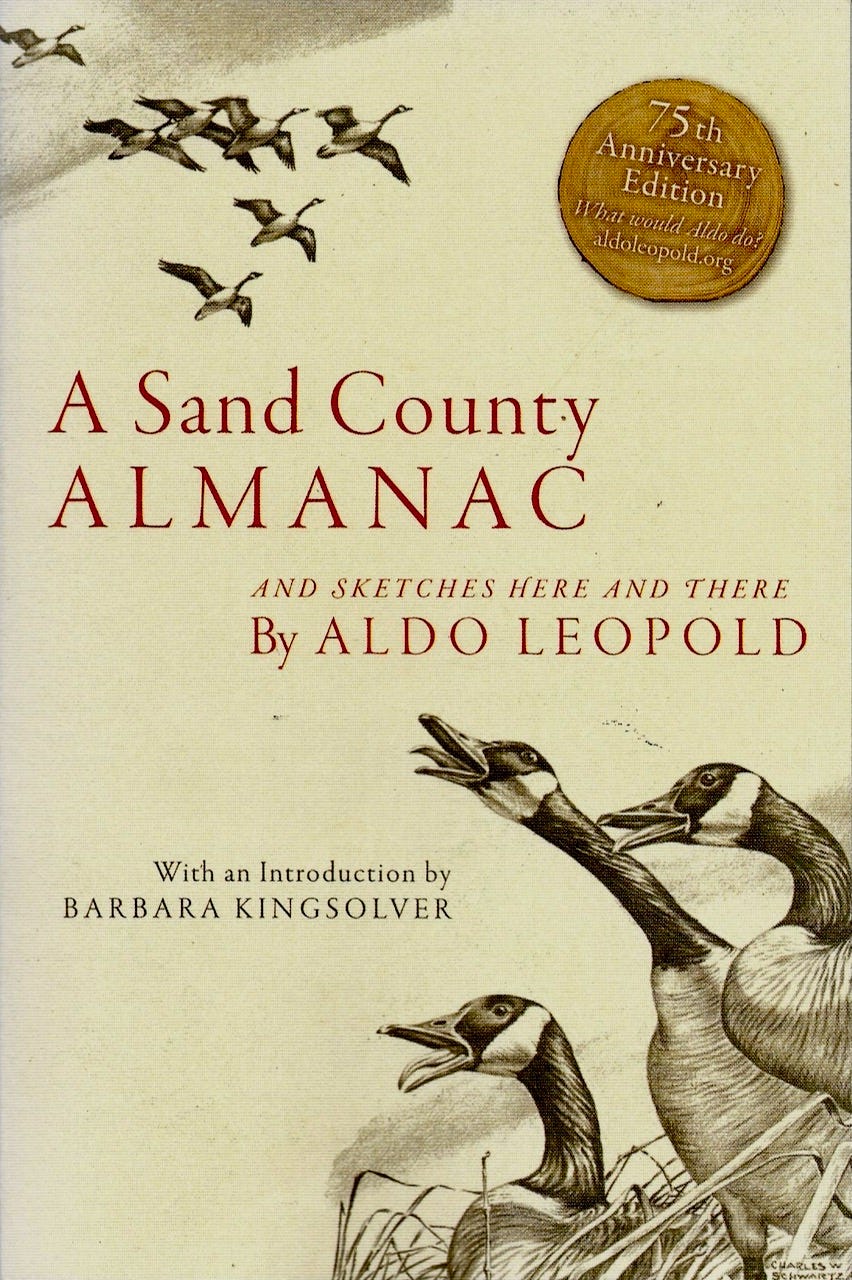
He was especially inspired by the “land ethic” of fellow Iowan Aldo Leopold in Leopold’s classic book, A Sand County Almanac. Paul’s hands-on advocacy and ethic grew from his own farm, a stint as an assistant Soil and Water District Commissioner, a 6-year seat in the Iowa State Legislature, heading the U. S. Natural Resources Conservation Service, directing the Iowa Department of Natural Resources, and serving on the Iowa Environmental Protection Commission. After leaving public service, he continued to write and speak out on conservation issues.
Paul began to leave his mark on Iowa – and the land - in 1974, when he and his wife, Pat, bought a farm along the Upper Iowa River near Decorah. Paul and Pat both had been Peace Corps volunteers, and they participated in the first Earth Day in April 1970 while Paul was studying forestry at the University of Michigan.
Although many traditional forestry professors and students assumed they would work in national parks or forests, Johnson “felt from the very beginning that we needed to focus more on private lands . . . a major goal should be to get people on private land to do a better job of caring for their land. I’m never going to be able to work with farmers unless I get shit on my boots. . . . I would have to be a farmer if I was ever going to speak for agriculture.”
Those ideals led Paul and Pat to the Upper Iowa River Valley, where they began restoring an old farm’s eroded fields, planting Christmas trees, milking Jerseys, and raising their three children.
In 1984, in the depth of Iowa’s farm crisis, Paul agreed to run for the Iowa State Legislature as a Democrat. He surprised the pundits by beating a Republican incumbent in a low-key, grassroots, no PAC money campaign. Democratic House Speaker Don Avenson - who had advised Paul he had no chance of winning - appointed Paul to the education, agriculture, natural resources, and energy and environment committees. Paul became “buddies” with Avenson, who was an avid hunter, fisherman, and outdoor advocate.
During his six years in the Legislature, Paul proudly worked on energy efficiency legislation, pesticide applicator training, forest and wetland protection, and the Resources Enhancement and Protection (REAP) conservation funding. But his landmark accomplishment was helping Senators Ralph Rosenberg and David Osterberg formulate the Groundwater Protection Act, which passed in 1987. Among other things, the law put a small tax on agricultural and urban chemicals; tightened regulations and mandated fees and monitoring for landfills; imposed fees on underground storage tanks; and established research and education programs at all three state universities.

The crown jewel of the university programs was the nationally recognized Leopold Center for Sustainable Agriculture at Iowa State. The center was charged with research to reduce agriculture’s negative environmental and socio-economic impacts, and to develop projects to demonstrate alternatives. The Center sponsored about 600 projects ranging from buffer strips to cover crops to soil carbon to forest health – until The Legislature defunded it in 2017.
Industrial agriculture groups had opposed the concept of the Center from the outset, but it took 30 years for those forces to persuade the Legislature to eliminate it. Paul called the loss “a horrible mistake.” Governor Terry Branstad signed the bill to defund the Center – but used an item veto to allow the name to stay in place.
None the less, Paul continued to advocate for the goals he’d envisioned for the Leopold Center: “establish a conservation ethic among Iowans and encourage each Iowan to go beyond enlightened self-interest in the protection of groundwater quality.”
For example, he saw the need to “do better” than plowing up pastures and hayfields and drilling for petroleum to provide land and fuel to grow subsidized corn to produce more subsidized ethanol. “It’s time to stop chasing rainbows,” Paul wrote in a 2001 Decorah Journal letter opposing a proposed Winneshiek County ethanol plant. “Let’s set big ethanol aside, put our heads and hands together and get to work on projects that are win-win propositions for our northeast Iowa natural resources, farmers, and communities alike.”
When he became director of the Iowa DNR, Paul felt he had a particularly hard job “because people care so much.”
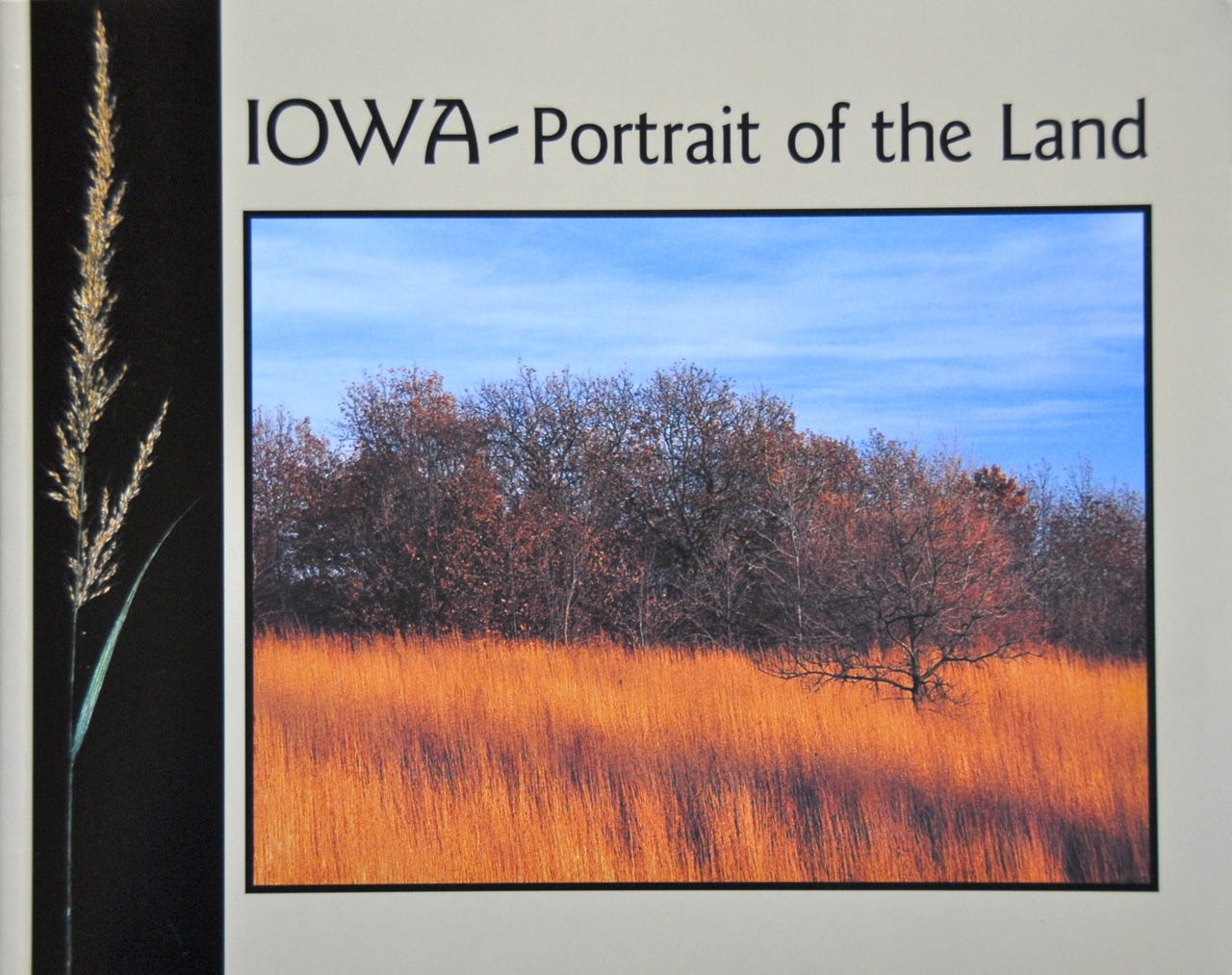
In his forward to Iowa: Portrait of the Land, a book on the status of Iowa’s natural resources that he commissioned while he was DNR director, Paul told the story of a 208-year-old white oak, which his family had cut into firewood after the tree died. The book “. . . also is a story about this land we call Iowa and our place in it.” He urged readers to “think about what our oak witnessed and how we’ve come to be what we are today. But even more importantly, it has been written to start you thinking about what kind of land our oak’s offspring will witness. That will be up to you. . . . It is now your turn to help paint our portrait on the land.”
Paul was a not a typical politician – especially by today’s standards. In one of his first elections, against a man whom he had known for several years, Paul invited his friend to coffee – because that was the “decent” thing to do, noted editor Curt Meine.
However, Paul was not afraid to push back against ideas and people. During debate on the Groundwater Protection Act in 1987, Norman Borlaug, winner of the Nobel Peace Prize for his “green revolution” promoting heavy use of fertilizer to increase crop yields, spoke before the Iowa Legislature. Afterward, Paul and Borlaug got into a shouting match in the office of House Speaker Don Avenson when Johnson advocated for more sustainable farming methods. “All I was saying was that we are finding that we’re wasting an awful lot of fertilizer and it’s ending up in our groundwater,” Paul recalled later.
In “The Iowa Land Ethic,” from a speech to the Iowa Environmental Council, Paul argued that “we need to redefine agriculture. It involves more than food and fiber and fuel. It’s the care of all life.”
The question should not be “ . . . how we can continue to grow 25 million acres of corn and soybeans and still have a little bit better water. What about bluebirds and what about big bluestem and little bluestem and the thousands of other species that we used to share this land with? . . . Conservation isn’t just about a nutrient reduction strategy.”
Examples of the more than 60 passages in We Can Do Better show Paul’s passion for subjects beyond his favorite “land ethic.”
**An apology to his constituents for voting against a tax cut bill. “Children don’t vote, poor people don’t vote, our environment doesn’t vote, and who else can be against a tax cut,” he said. Citing a quote on the wall of Iowa’s State Capitol, “that what is morally wrong cannot be politically right,” Paul elaborated. “The inadequate way in which we are now dealing with those in need in our state is, I believe, morally wrong.”
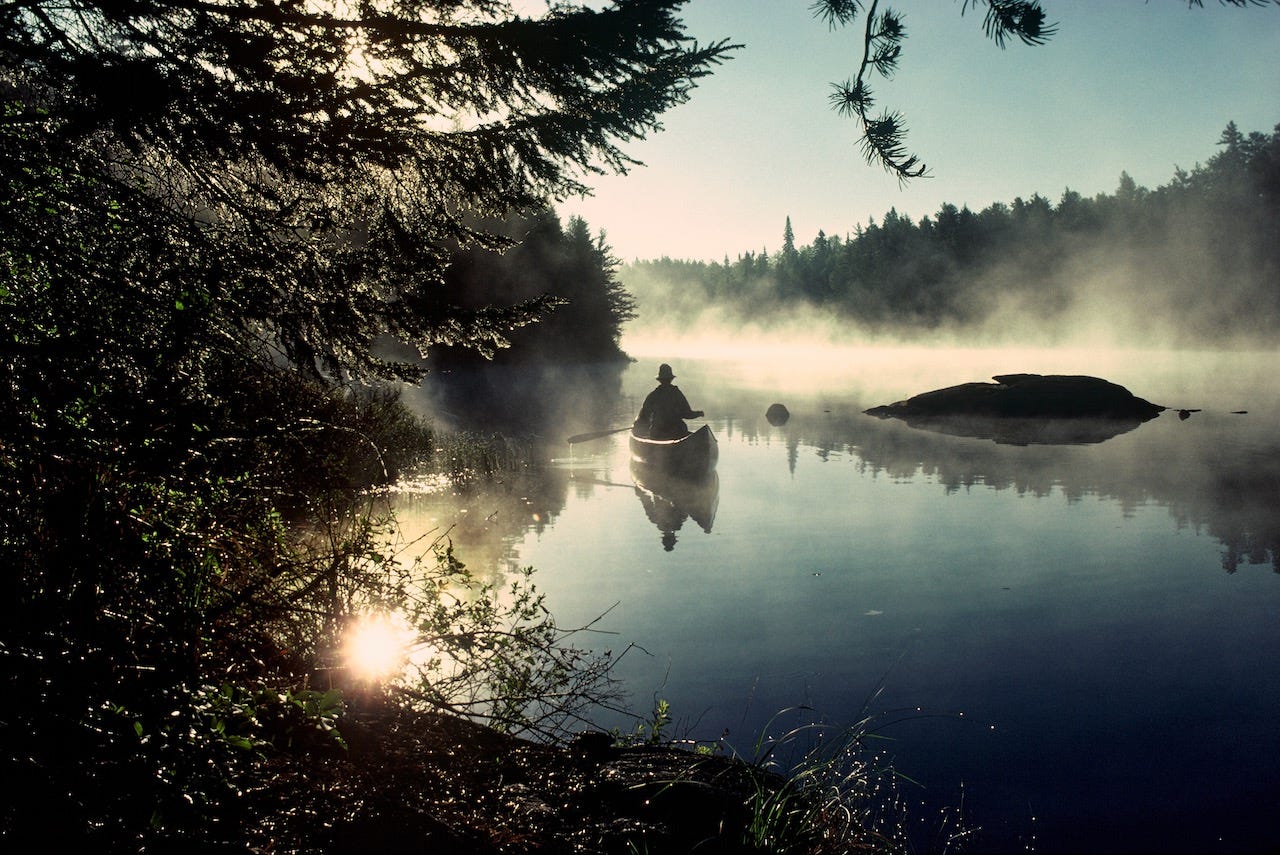
**Reflections while watching a sunrise near the family cabin on the edge of the Boundary Waters Canoe Area Wilderness;
**Sarcasm about Republican jokes on climate change;
**The realization that a “Hug a soldier, not a tree” bumper sticker was directed at his well-known loves of trees and opposition to war;
**A thoughtful explanation of why he opposed a farmer’s plan to build a hog confinement;
**Praise for earlier Iowa conservation leaders, such as Wallace Stegner, Arthur Carhart, Ernest Oberholtzer, and Ding Darling;
**In support of an Iowa Legislature statement against South African apartheid;
**An admission of uncharacteristic anger at the actions of people whose practices were harming the land: fall plowing, irresponsible spreading of hog manure, over-applying of fertilizer, fall application of anhydrous ammonia, developers who encroached on waterways, and legislators who would not toughen rules on hog confinements;
**Sadness at “our president’s bad attitude about anybody who is not American. . . . Our country and state are better than this.”
As much as Paul Johnson admired Aldo Leopold’s work, it was appropriate that Leopold scholar Curt Meine compile and edit Paul’s own collection. Meine published an Aldo Leopold biography in 1988, along with several other books on Leopold. He’s a senior fellow with the Aldo Leopold Foundation. Meine and Paul became life-long friends after meeting in Wisconsin’s Driftless Area in 1988.
We Can Do Better is published by Ice Cube Press of North Liberty. Ice Cube Press
After Paul’s death in 2021, his family, friends, and associates established The Johnson Center for Land Stewardship Policy to carry on his legacy of private land conservation. All proceeds from sale of the book support the work of the Johnson Center. Johnson Center for Land Stewardship Policy
A personal note:
Having known Paul Johnson for more than 40 years, I’m unabashedly enthusiastic about this collection of his work. I also share other ties with Paul. We both have been influenced by the work and philosophies of Aldo Leopold. Our families love the Boundary Waters Canoe Area Wilderness. We moved to Clayton County in 1974, the same year Paul and Pat came to the Driftless. I attended the University of Michigan in 1970, during Paul’s time there. We both celebrated the first Earth Day, in April 1970. I served as lead writer on the committee Paul chose to produce Iowa: Portrait of the Land for the Iowa DNR in 2000.
I’m privileged to be a member of the Iowa Writers’ Collaborative. Most posts are free, but paid subscribers are very much appreciated. Please check the work of my fellow journalists. Iowa Writers’ Collaborative Iowa Writers' Collaborative
https://icecubepress.com/2025/02/12/we-can-do-better/ good piece Larry. We need more folks like you and Paul! Reminds me of what we could have if folks will vote Chris Jones for Sec of Ag
What a wonderful tribute to Paul. I wish I would have known him better. I have admired him from afar. You and our friend Bob were lucky to be in his close company.
I have been reading this book that I bought from Steve at Ice Cube Press. And mourn the fact that he is gone but celebrate his remarkable legacy. We all need to be like Paul.